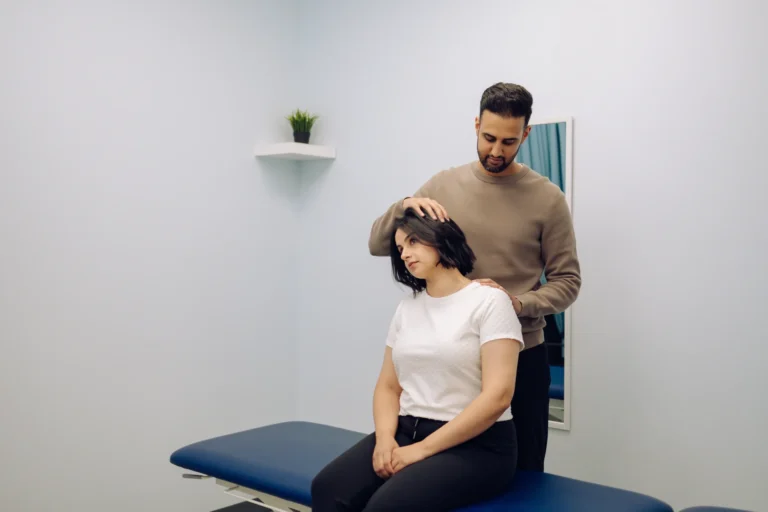
Headaches in Winter: Why They Increase and How Chiropractic Care May Help
Headaches are one of the most common neurological complaints, and many people notice a clear seasonal pattern — they worsen in winter. At Dr. Harman Braich, Chiropractor, operating out of Creekwood Physiotherapy, it’s extremely common for patients to report an increase in headaches between November and March.
For some, these are dull tension headaches. For others, they are cervicogenic headaches linked to neck stiffness, posture changes, or stress. Migraines may also become more frequent during colder months.
This blog explains why headaches often increase during winter, what research suggests about the contributing factors, and how evidence-informed chiropractic care may help support headache management.
Why Headaches Are More Common in Winter
Winter headaches are rarely caused by a single factor. Instead, they often reflect a combination of mechanical, neurological, environmental, and lifestyle changes that occur during colder months.
Ready for Relief?
Book Your Appointment1. Increased Neck and Upper Back Stiffness
Cold temperatures often lead to increased muscle tension. People subconsciously elevate their shoulders, tense their neck, and limit movement to conserve heat.
Research suggests that sustained muscle tension in the cervical and upper thoracic regions may contribute to tension-type and cervicogenic headaches (Fernández-de-Las-Peñas et al., 2006).
Common winter contributors include:
- Wearing heavy jackets or scarves that alter posture
- Reduced neck movement outdoors
- Increased muscle guarding in cold weather
- Prolonged sitting during darker months
When the neck and upper back stiffen, irritation of cervical joints and surrounding muscles may trigger headache symptoms.
2. Postural Changes During Winter Months
Shorter days and colder weather often mean:
- More time sitting indoors
- More desk work
- Increased screen time
- Less daily movement
Postural research suggests sustained forward-head posture and upper-back flexion increase load on cervical structures, which may contribute to headache development (Szeto et al., 2002).
Have Questions?
We're Here to Help!Patients often describe:
- Headaches after long workdays
- Neck tightness with screen use
- Head pressure that worsens as the day goes on
These patterns are especially common during winter.
3. Reduced Physical Activity
Movement plays a key role in regulating muscle tone, circulation, and nervous system balance. During winter, activity levels often drop.
Reduced movement may lead to:
- Increased muscle stiffness
- Reduced joint lubrication
- Poor circulation
- Increased stress reactivity
Research suggests regular physical activity may reduce headache frequency and intensity in some populations (Varkey et al., 2011).
4. Stress and Nervous System Load
Winter can be mentally demanding:
- Shorter daylight hours
- Holiday stress
- Work deadlines
- Financial pressure
- Reduced outdoor time
Stress is strongly associated with tension-type headaches and may influence migraine activity (Bendtsen et al., 2010).
Chronic stress may increase muscle tone and sensitise pain pathways, making headaches more frequent or intense.
5. Sleep Disruption
Sleep quality often declines in winter due to:
- Altered routines
- Less sunlight exposure
- Increased stress
- Reduced activity
As discussed in February Blog #1, research suggests disrupted sleep may increase pain sensitivity and headache frequency (Finan et al., 2013).
Looking to Get Started?
Book Online Today!Types of Headaches Commonly Seen in Winter
Tension-Type Headaches
Often described as a tight band or pressure around the head. Commonly linked to neck and upper-back muscle tension.
Cervicogenic Headaches
Originate from cervical spine dysfunction. Pain often starts at the base of the skull and may radiate forward.
Migraines
While neurologically complex, migraines may be influenced by stress, sleep disruption, posture, and environmental triggers.
Many patients experience overlapping headache patterns, which is why proper assessment matters.
What Research Suggests About Neck Dysfunction and Headaches
Research in headache science suggests a strong relationship between cervical musculoskeletal dysfunction and certain headache types.
- Cervical joint dysfunction and muscle tenderness are commonly found in patients with tension-type and cervicogenic headaches (Fernández-de-Las-Peñas et al., 2006).
- Manual therapy targeting cervical structures may help reduce headache frequency and intensity in some individuals (Biondi, 2005).
- Movement-based and multimodal approaches appear more effective than passive care alone (Bendtsen et al., 2010).
Importantly, headaches are multifactorial — not all headaches are caused by neck issues — but addressing cervical function is often clinically relevant.
How Chiropractic Care May Help with Winter Headaches
At Dr. Harman Braich, Chiropractor, headache care focuses on identifying and addressing contributing factors, not just chasing symptoms.
Start Your Journey!
Book With Us Today1. Cervical Spine Assessment and Joint Mobility
Restricted movement in the cervical spine may contribute to headache symptoms. Chiropractic adjustments may help restore joint mobility.
Improved movement may reduce mechanical irritation and muscle guarding.
2. Reducing Muscle Tension in the Neck and Upper Back
Soft-tissue therapy may help reduce tone in:
- Suboccipital muscles
- Upper trapezius
- Levator scapulae
- Cervical extensors
Reducing muscular tension may decrease headache triggers linked to sustained contraction (Fernández-de-Las-Peñas et al., 2006).
3. Supporting Nervous System Regulation
Stress and headache frequency are closely linked. Preliminary research suggests manual therapies may influence autonomic nervous system balance, which may support relaxation and symptom modulation (Biondi, 2005).
Patients often report feeling calmer and less “wound up” after care — an important factor for headache management.
4. Postural and Ergonomic Guidance
Postural education is often essential for winter headache management. This may include:
- Desk setup recommendations
- Screen height adjustments
- Micro-break strategies
- Phone-use posture awareness
Addressing posture reduces repetitive cervical loading throughout the day.
5. Exercise-Based Rehabilitation
Through exercise-based rehabilitation patients may receive:
- Deep neck flexor strengthening
- Scapular stability exercises
- Thoracic mobility drills
- Breathing exercises for relaxation
Research suggests combining manual therapy with exercise may provide better long-term outcomes for headache disorders (Bendtsen et al., 2010).
6. Adjunct Therapies When Appropriate
For persistent headache contributors, additional services may be helpful:
- Dry Needling & Acupuncture for myofascial trigger points
- Shockwave Therapy in select chronic soft-tissue cases
- Custom Foot Orthotics when posture and lower-chain mechanics influence cervical loading
Why an Athletic Perspective Matters for Headache Care
As a former elite soccer player and captain of the University of Alberta Golden Bears,
Dr. Braich understands how movement, posture, stress, and recovery interact.
Athletes often experience headaches related to:
- Neck load
- Training stress
- Postural fatigue
- Recovery deficits
That same movement-based understanding applies to non-athletes dealing with winter headaches.
Practical Tips to Reduce Winter Headaches
- Keep your neck warm outdoors
- Take posture breaks every 30–45 minutes
- Perform daily neck and upper-back mobility
- Maintain regular physical activity
- Manage stress proactively
- Prioritise sleep routines
- Seek early care when headaches increase
These strategies often work best when paired with individualized assessment.
Localized Care for Southwest Edmonton Residents
At Dr. Harman Braich, Chiropractor, operating out of Creekwood Physiotherapy, we proudly serve:
- Creekwood Chappelle & Chappelle Gardens
- Ambleside, Keswick & Windermere
- Glenridding Heights & Glenridding Ravine
- Heritage Valley, Paisley, Desrochers & Jagare Ridge
- Rutherford, Callaghan, Allard, Cavanagh & Blackmud Creek
- Richford, Macewan & Blackburne
We provide comprehensive, evidence-informed care for headache management.
Your Path to Fewer Winter Headaches
Headaches often worsen in winter — but they don’t have to be something you simply “push through.” Identifying and addressing contributing factors may help reduce both frequency and intensity.
Visit braichchiro.com to book an appointment with Dr. Harman Braich, Chiropractor.
Research & References
- Fernández-de-Las-Peñas C, Alonso-Blanco C, Cuadrado ML, Pareja JA. Myofascial trigger points and headache disorders. Current Pain and Headache Reports. 2006.
- Bendtsen L, et al. Guidelines for tension-type headache management. The Journal of Headache and Pain. 2010.
- Biondi DM. Physical treatments for headache: a structured review. Headache. 2005.
- Szeto GPY, et al. Neck muscle activity and posture in office workers with headaches. Manual Therapy. 2002.
- Varkey E, et al. Exercise as migraine prophylaxis. Cephalalgia. 2011.
- Finan PH, et al. Sleep and pain interactions. Sleep Medicine Reviews. 2013.